


Shure PGA31 B-Stock

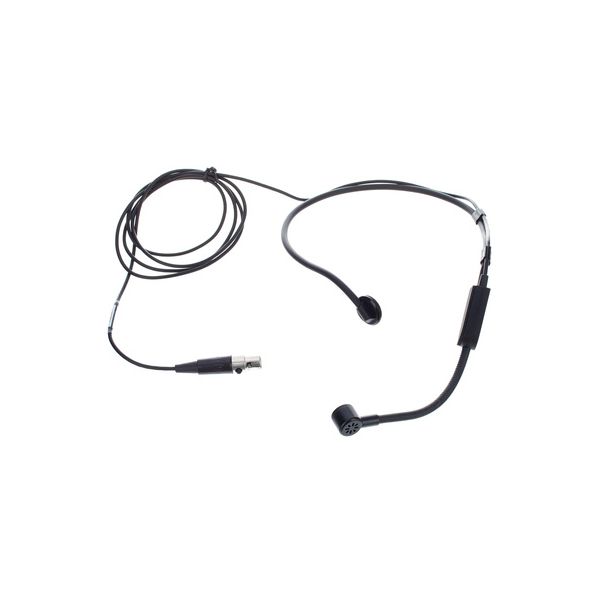
Condenser Headset Microphone
- Ergonomic, comfortable design
- Suitable for singers and all vocal applications
- Polar pattern: Cardioid
- Frequency response: 60 - 20,000 Hz
- Sensitivity: -50 dBV/Pa
- 145 dB SPL (max)
- 4-pole Shure TA4F TQG connector
- Weight: 60 g
- Colour: Black
- Optional inline phantom adapter: Article number 149174 (not included)
-
Available since June 2014
-
Item number 563010
-
Sales Unit 1 piece(s)
-
Capsule type Condenser
-
Polar Pattern cardioid
-
Connector 4-pol. Shure
-
Colour Black
-
Removable Phantom Adaptor No
-
Sport No
-
Cable Length 1300 cm
-
Weight 60 g
-
Frequency range from 60 Hz
-
Frequency range to 20 kHz
-
incl. Windscreen Yes
-
Affordable & reliable wireless headset
The Shure PGA31 is a cardioid electret condenser headset microphone designed for use with compatible Shure bodypack transmitters via the standard TA4F (TQG) connector – for hands-free wireless vocals. Power is supplied directly via the bodypack transmitter, so no phantom power is required. The wireframe headset sits discreetly behind the head, while a flexible gooseneck boom positions the capsule at the corner of the mouth, keeping it clear of plosives and breath noise while maintaining consistent pickup. The balanced frequency response is designed to deliver natural vocals with excellent intelligibility at close working distances, while the cardioid polar pattern naturally focuses on the voice and reduces unwanted spill. The maximum 145dB SPL handling and 117dB dynamic range provide ample headroom for even the loudest singers, presenters, or instructors. At 45g, it remains comfortable during extended sessions. A foam windscreen is included, and the PGA31 is available both separately and as part of selected Shure BLX, GLX-D, and PGX-D wireless systems.
)
Fit and adjustment
The PGA31 draws power directly from a compatible Shure wireless bodypack via its 1.3m TA4F cable, requiring no phantom power or external preamplifier. The permanently charged electret condenser capsule delivers a sensitivity of -50dBV/Pa for a healthy wireless output level, while the 28dB A-weighted self-noise is of little practical significance in typical live performance environments. The frequency response remains largely neutral, with subtle presence shaping that enhances intelligibility and preserves vocals' character. The lightweight wireframe headband adjusts for a secure, comfortable fit, and the flexible gooseneck retains its position once set, so the performer can focus on their performance. The boom is worn on the left by default but can be repositioned to the right if preferred.
)
Hands-free freedom
The Shure PGA31 is aimed at performers and presenters who need reliable hands-free vocal reinforcement where a handheld or stand-mounted microphone would be impractical – live vocalists, fitness instructors, dance teachers, public speakers, theatre performers, and multi-instrumentalists who sing while playing are the natural audience here. The cardioid pattern's off-axis rejection helps maximise gain before feedback on stage, and the high SPL ceiling handles close-proximity vocal peaks without distortion. The only real limitation is ecosystem compatibility: The PGA31 requires a compatible Shure wireless bodypack with a TA4F connector – it is not a standalone wired microphone and will not connect directly to a mixer or interface. For existing Shure wireless users, however, it also serves as a practical, cost-effective replacement for a worn or damaged headset.
)
)
About Shure
The American company Shure began developing microphones during the early 1930s and is one of the pioneers of the audio engineering sector. Models such as the 55 Unidyne – known to many as the "Elvis microphone" – and the SM57 and SM58 which appeared in the mid-1960s are still ubiquitous in live sound production today. They enjoy cult status among musicians and technicians alike. In the 1990s, Shure introduced the first wireless microphones and in-ear monitoring systems and became a market leader in this field. In addition to microphones, Shure offers a wide range of earphones and headphones for studio and live use, as well as various accessories.
For a very effective performance
By positioning the capsule at the corner of the mouth rather than directly in front, the Shure PGA31 naturally reduces plosives and breath noise, while the included foam windscreen helps minimise any remaining wind or breath interference. The consistent capsule-to-source distance that a headset provides over a handheld microphone is particularly valuable for performers whose movement, expression, or choreography would otherwise cause level fluctuations. Fitness instructors and dance teachers benefit from the secure fit and freedom of movement offered by the wireframe design – the headset remains securely in position even during intense activity, maintaining a uniform vocal level throughout the performance. For theatre, presentation, and broadcast work, the black finish and low-profile boom keep the microphone visually discreet under stage lighting or on camera.
